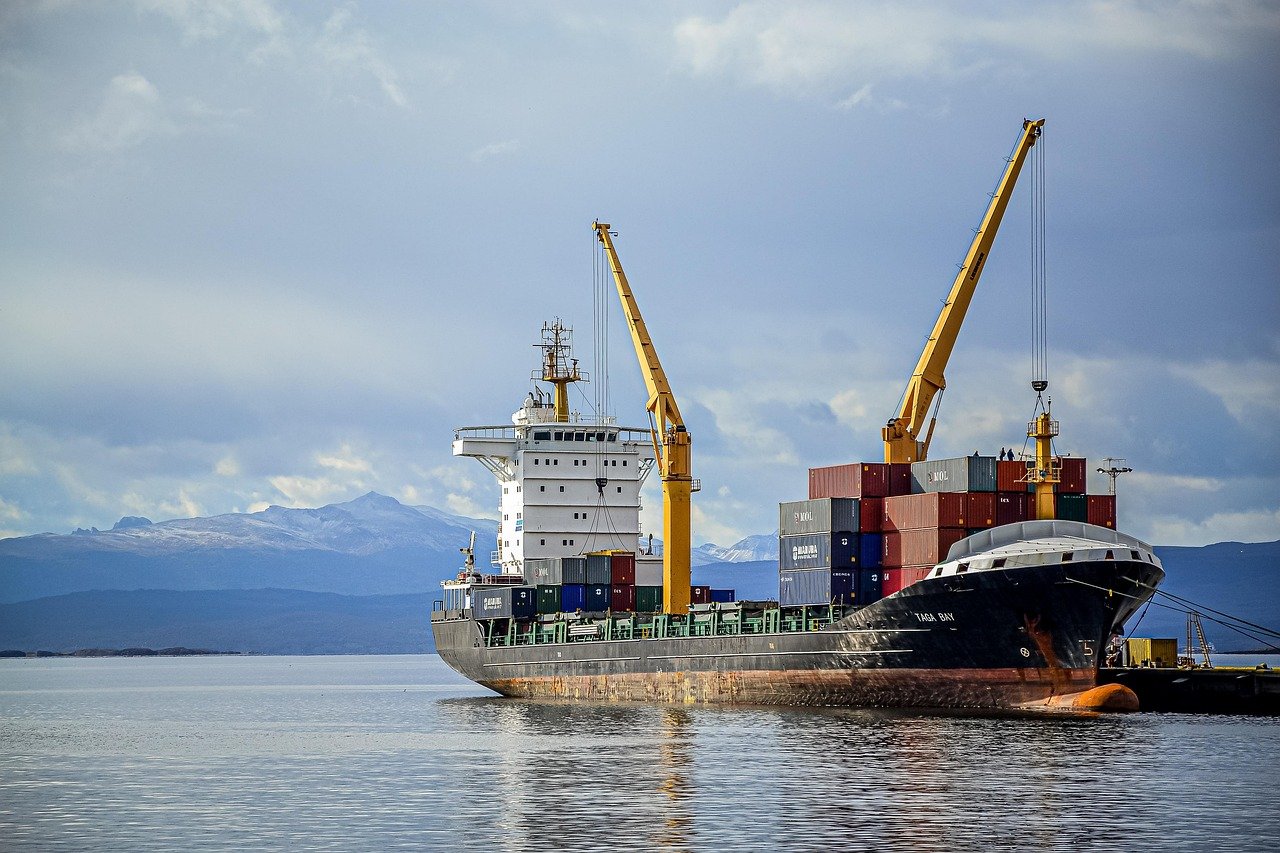
Freight Brokerage Efficiency & Growth
Nexus Freight Solutions — Third-party logistics and freight brokerage
The Challenge
Manual carrier matching taking 45 minutes per load, no CRM in place, and client communication relied on scattered emails and phone calls.
Our Solution
Implemented CRM Automation + Workflow Automation + AI Email Automation + Dashboard & Analytics Setup. Built operational efficiency system with automated client reporting.
Services Deployed
Implementation Workflow
Operations Audit
Mapped the entire load lifecycle from customer request to delivery confirmation, identifying manual bottlenecks.
CRM & Pipeline Setup
Configured logistics CRM with automated load tracking, carrier databases, and client communication workflows.
Workflow Automation
Built automated carrier matching, rate confirmation, and shipment status update sequences.
Reporting & Analytics
Deployed real-time dashboards for load performance, margin analysis, and automated weekly client reports.
Before vs After
Load Matching Time
Loads Brokered/Month
Client Retention
What Our Client Says
Derek Osman
CEO, Nexus Freight Solutions
"Load matching went from 45 minutes to under 15. Our brokers handle triple the volume now, and clients get automated tracking updates without us lifting a finger."
What Our Clients Say
Real outcomes from businesses powered by our AI Revenue Systems.
How This Growth System Was Implemented
A practical view of the planning, rollout, and optimization cycle used to deliver measurable gains for this client.
From Audit to Scale
Freight Brokerage Efficiency & Growth demonstrates how strategic execution can transform commercial outcomes in the Logistics & Shipping category. The project was designed to solve growth friction at the operating level, not just to increase top-of-funnel traffic. That distinction matters because revenue acceleration usually depends on response quality, qualification precision, and follow-up consistency more than raw lead volume.
The primary challenge was clear: Manual carrier matching taking 45 minutes per load, no CRM in place, and client communication relied on scattered emails and phone calls.. To address this, we built a practical rollout model with measurable milestones. Instead of changing everything at once, we prioritized high-impact improvements first, validated results quickly, and then expanded the system in controlled phases to reduce risk and protect conversion performance.
Our implementation sequence followed a structured path: audit -> strategy -> deployment. Each stage had its own KPI targets and accountability rules. This created visibility for the client team and made weekly decision-making faster, because performance was tied to business outcomes rather than isolated platform metrics.
Quantitative impact came through in metrics such as 68%, 135%, $11.8K. These outcomes did not come from one isolated tactic. They were the result of aligned messaging, improved channel intent, faster lead handling, and tighter conversion workflows. When these pieces operate together, growth becomes more predictable and less dependent on campaign volatility.
The before-versus-after data confirms operational progress: Load Matching Time: 45 min -> 14 min | Loads Brokered/Month: 120 -> 282 | Client Retention: 78% -> 94%. This pattern shows why process design is critical. When teams remove delays, standardize qualification, and improve handoffs, close-ready opportunities rise while wasted effort drops. Over time, this improves both marketing efficiency and sales productivity.
From a strategic perspective, this engagement also reinforced expertise in CRM Automation, Workflow Automation, Email Automation, Analytics. That creates a reusable blueprint for similar businesses that want measurable pipeline growth, better attribution, and stronger control across their acquisition-to-conversion journey. The outcome is not just a one-time performance lift, but a scalable revenue system.
Similar systems are often paired with SEO Services, Google Ads, AI Chatbot, and CRM Automationfor full-funnel performance.
Why It Worked
- Channel strategy aligned to commercial-intent demand.
- Landing and follow-up systems optimized for speed and clarity.
- Attribution framework tied campaign spend to revenue outcomes.
- Structured testing cadence maintained momentum over time.